

I. Economy and construction efficiency
Cost control advantage: The standardized production system makes the price of the 6-meter basic container house stable, and the cost per square meter is only 40%-60% of traditional buildings, which is especially suitable for short-term demand scenarios such as post-disaster reconstruction and construction site camps.
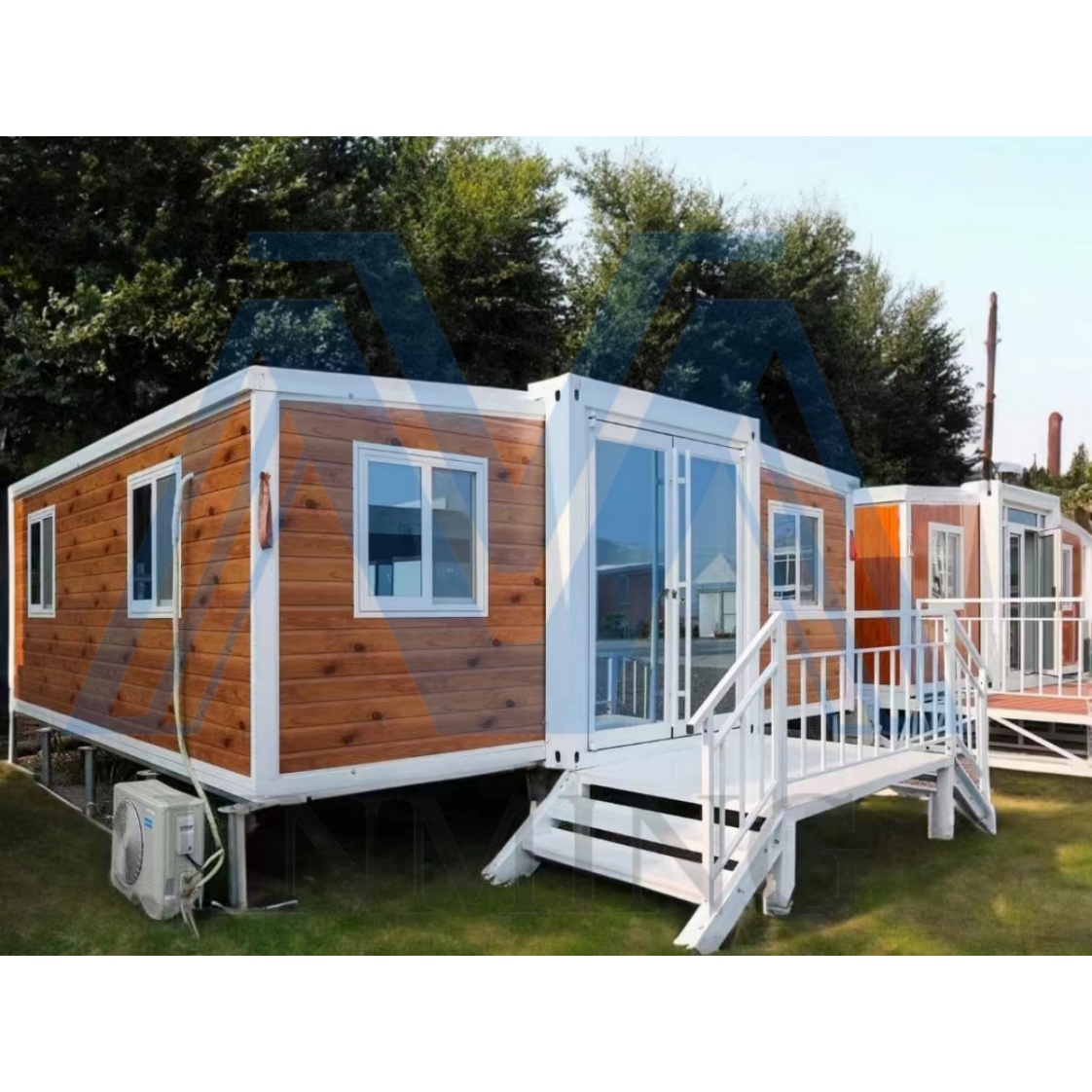
Shortened construction period: The prefabrication rate exceeds 85%, and the on-site installation cycle is 70% shorter than that of traditional buildings. In an emergency, it can be quickly deployed within 48 hours.
II. Modular expansion capability
Flexible space combination: Through horizontal parallel connection and vertical stacking technology, it supports the expansion of single units to multi-story buildings, meeting the diverse needs from 20㎡ single apartments to 200㎡ commercial complexes.
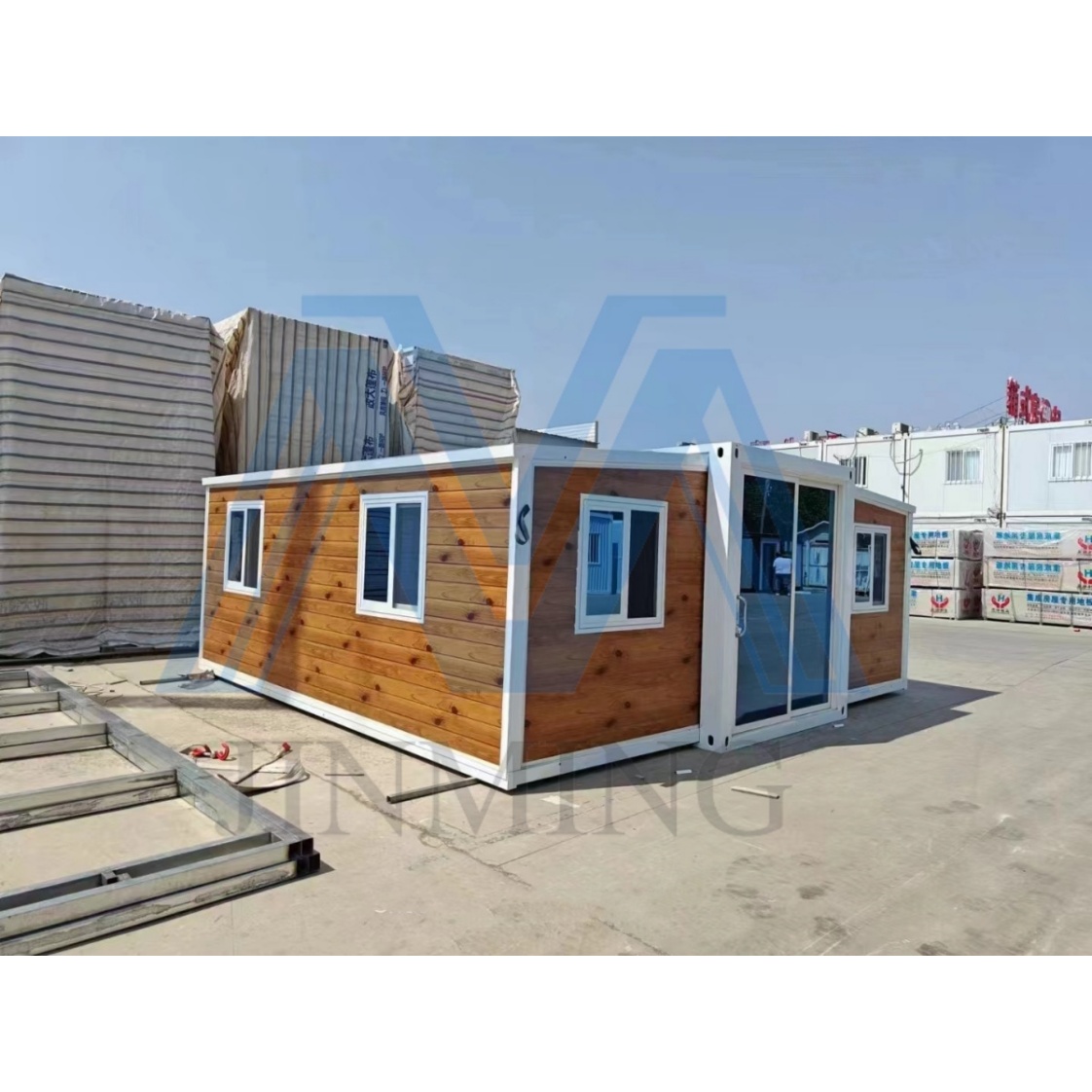
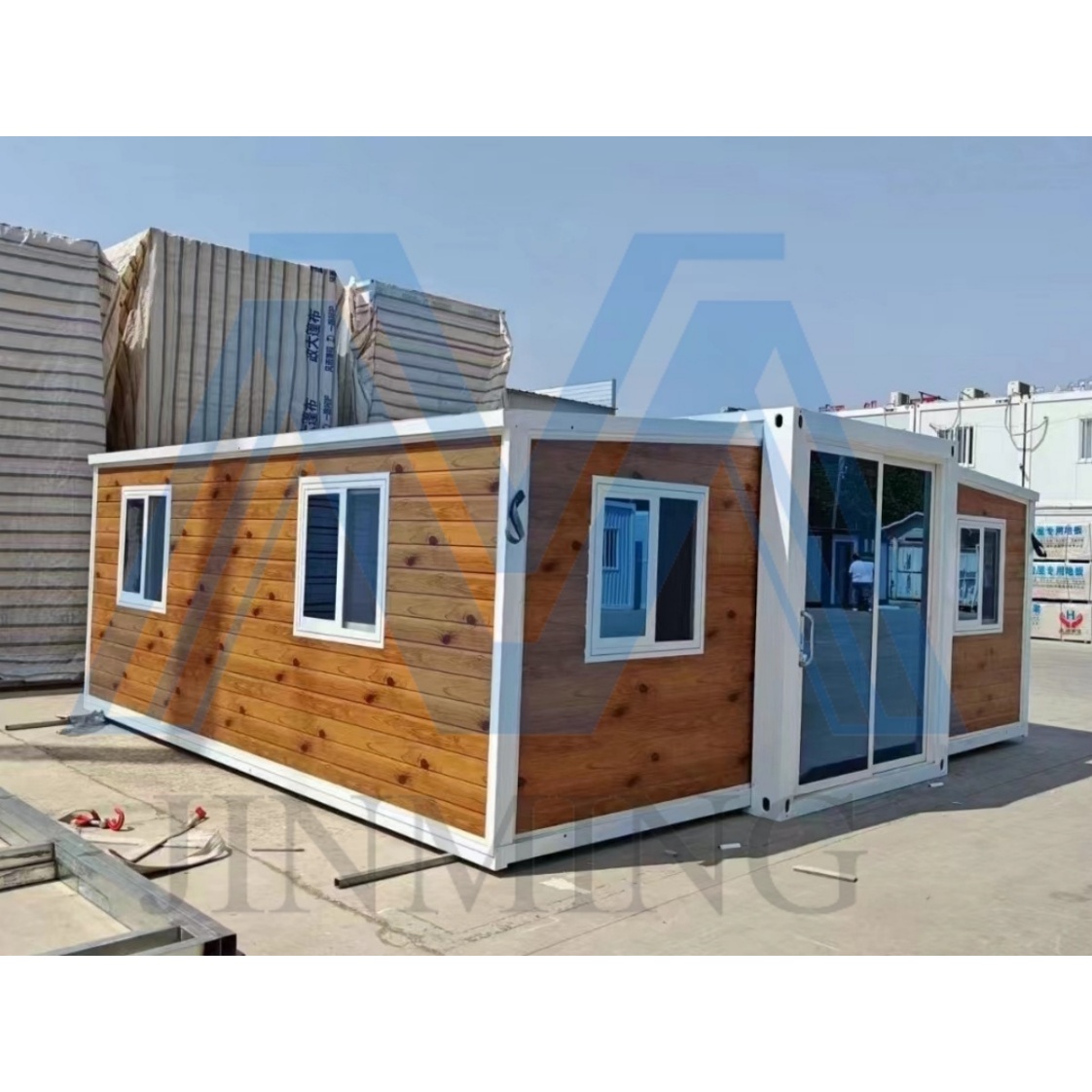
Dynamic adjustment capability: With the sliding rail expansion structure, non-professionals can complete the extension or contraction of the box through mechanical auxiliary tools, and the space utilization rate is increased by 300%.
3. Structural performance and durability
High-strength load-bearing system: Based on the optimization of the original structure of the shipping container, the seismic performance reaches level 8, and the wind pressure resistance is increased to 1.5kN/m² (twice that of traditional Prefabricated House).
Extremely long service life: The anti-corrosion treatment of Q355NH weathering steel makes the main body life exceed 25 years, far exceeding the average 8-year service life of prefabricated houses.
4. Environmental protection and energy-saving characteristics
High resource recycling rate: The recycling rate of waste container homes reaches 92%, and the amount of construction waste generated is reduced by 80%.
Energy self-sufficiency solution: The high-end model with integrated photovoltaic power generation system can achieve 100% self-sufficiency in daytime electricity consu
