

Introduction
As sustainable architecture gains momentum globally, expandable container homes and foldable house containers are revolutionizing the housing industry. Combined with cutting-edge materials like graphene EPS prefabricated house systems, these modular solutions offer unparalleled flexibility, durability, and eco-friendliness. This article explores how these innovations are reshaping modern living and why they’re ideal for SEO-driven markets.
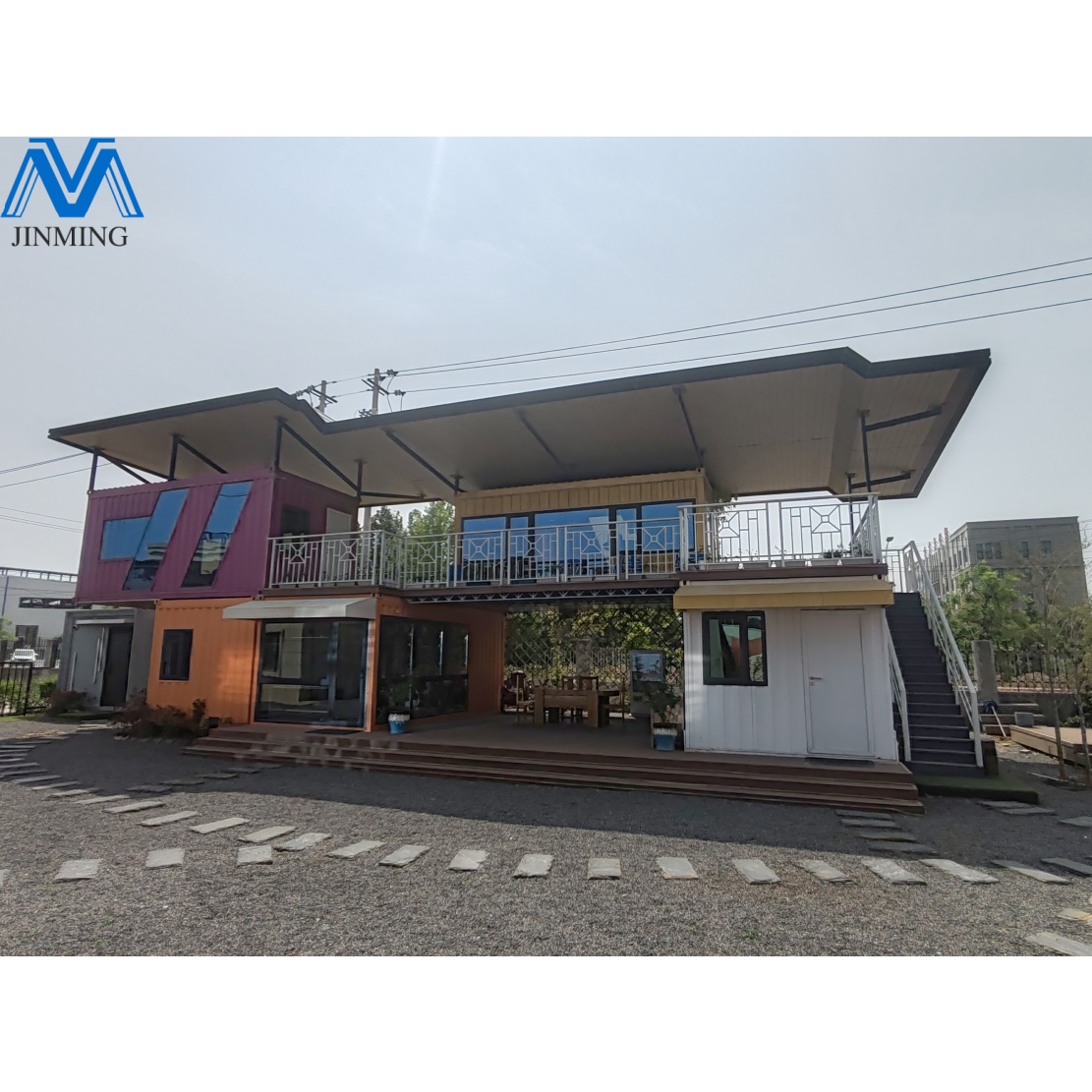
1. Expandable Container Homes: Space Efficiency Meets Scalability
Expandable designs maximize living space without compromising portability. By integrating telescopic mechanisms or sliding modules, these homes can expand from a compact 20ft container to a spacious 2-story residence in hours. Key advantages include:
Cost-Effectiveness: Reduced transportation costs (a single 40ft container can hold up to foldable units)6.
Quick Deployment: Ideal for disaster relief, tourism, or remote workstations.
Customization: Flexible layouts for bedrooms, offices, or retail spaces.
2. Folding Container House: Portability Redefined
Foldable designs prioritize mobility and rapid assembly. For instance, foldable house containers collapse to a slim 39cm thickness, enabling efficient shipping and storage6. Applications include:
Temporary Housing: Used in construction sites, mining camps, or event venues.
Eco-Tourism: Off-grid cabins with solar panels and rainwater harvesting systems.
SEO Appeal: Keywords like “portable foldable homes” align with rising searches for minimalist and mobile living.
3. Graphene EPS Prefabricated Houses: The Material Breakthrough
Graphene-enhanced expanded polystyrene (EPS) panels are transforming prefab construction. Benefits include:
Thermal Insulation: Superior energy efficiency, reducing heating/cooling costs by 30%.
Lightweight Durability: Combines graphene’s strength with EPS’s lightweight properties, ideal for multi-story container homes.
Fire Resistance: Meets stringent safety standards for commercial and residential use.
5. Global Market Trends and Case Studies
Europe: Architects like James & Mau use stacked containers for luxury villas in Spain
North America: Companies like Huji China offer solar-powered container cabins for eco-resorts.
Asia: Graphene EPS is gaining traction in Japan’s earthquake-resistant housing projects.
Conclusion
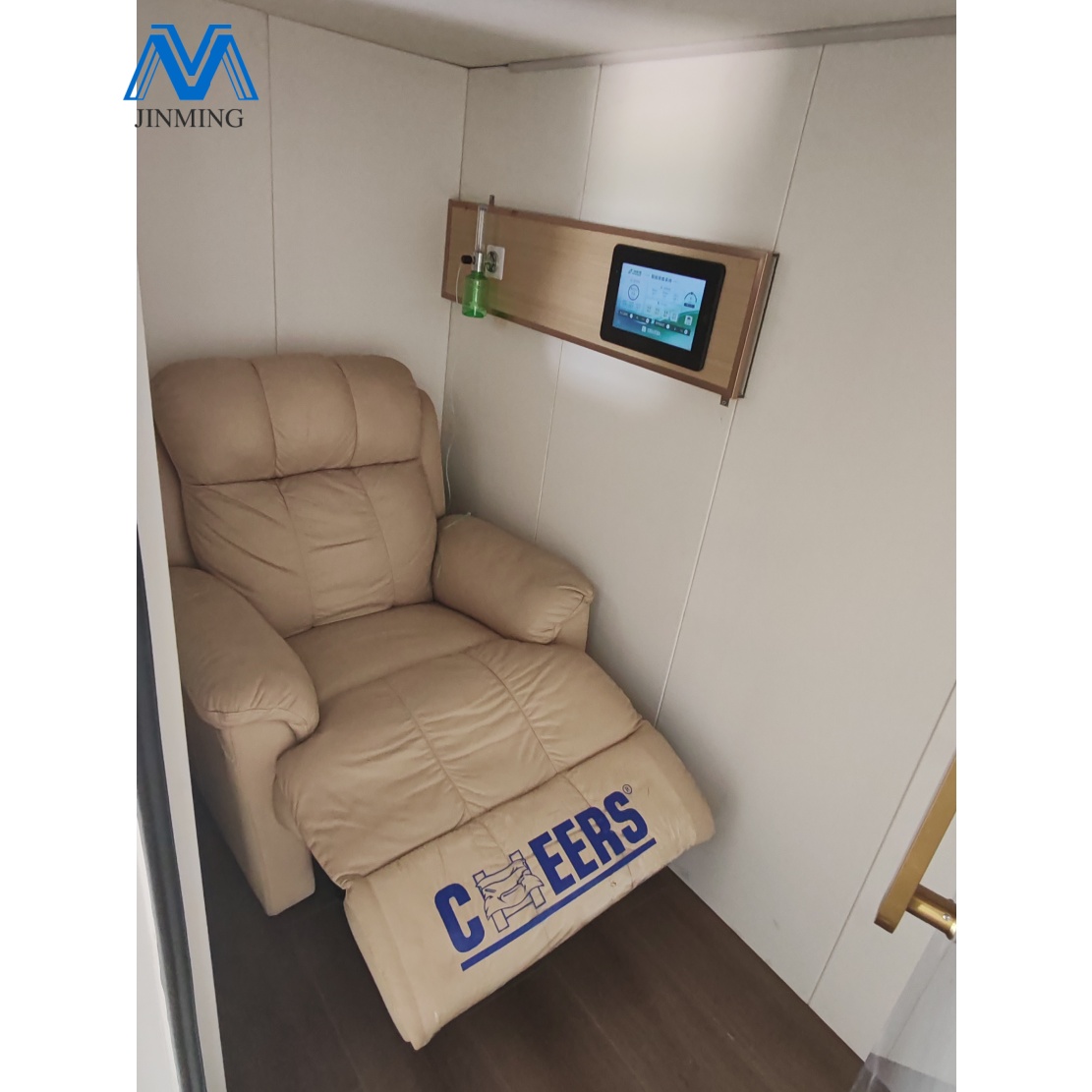
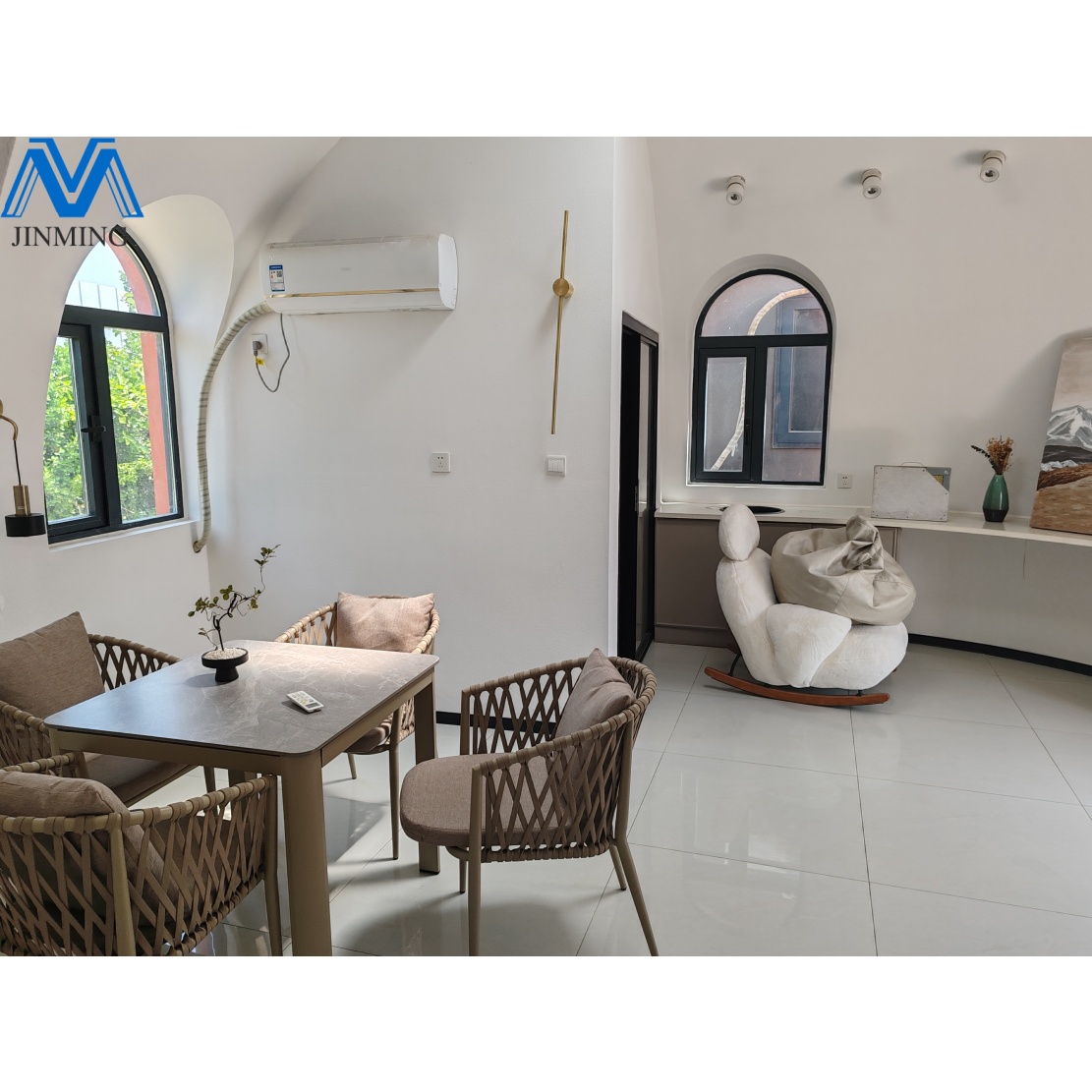
The fusion of expandable container homes, foldable house containers, and graphene EPS prefabricated house technology represents a paradigm shift in affordable, sustainable housing. For businesses targeting international markets, leveraging SEO-friendly content around these innovations can drive traffic and conversions. Stay ahead by embracing modularity, advanced materials, and smart keyword strategies.
