

Light Steel Villa are a new type of low-rise residential building system that uses light steel structures for load-bearing. They offer advantages such as quick construction, strong earthquake resistance, and environmental friendliness and energy efficiency. However, light gauge steel villa also have disadvantages such as higher cost, weaker fire and sound insulation performance, and higher maintenance requirements.
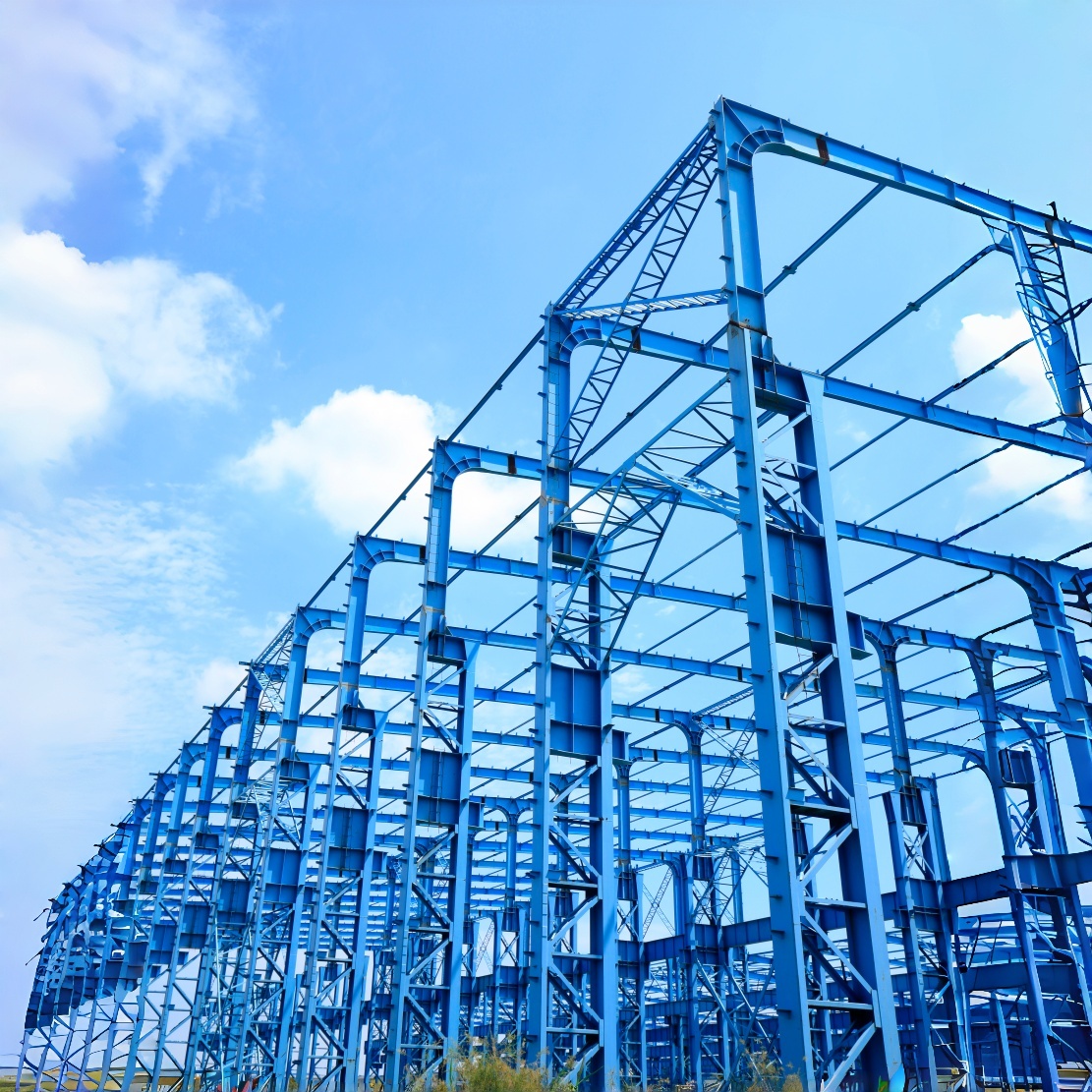
Main Advantages
Short Construction Cycle: steel frame workshop-prefabricated components are assembled on-site, with the main structure installation requiring only 1-2 weeks, shortening the overall construction cycle by 50% compared to traditional buildings.
Excellent Earthquake Resistance: The structure is lightweight (only 1/5-1/8 the weight of brick-concrete structures), capable of withstanding earthquakes of magnitude 9 or higher and typhoons of category 12, with good structural ductility.
Environmentally Friendly and Energy-Efficient: High material recyclability, dry construction reduces construction waste, excellent thermal insulation performance, and winter heating energy consumption can be reduced by 30%-50%.
Increased Usable Area: Thin walls (120-200mm) increase the actual usable area by 10%-15% compared to traditional houses. Good moisture resistance and breathability: Utilizing a breathable paper design, it effectively regulates indoor air humidity and prevents mold growth on walls.
Main disadvantages:
High initial construction cost: Approximately 1800-2200 RMB/㎡, about 50% higher than traditional brick-concrete villas, resulting in lower cost-effectiveness.
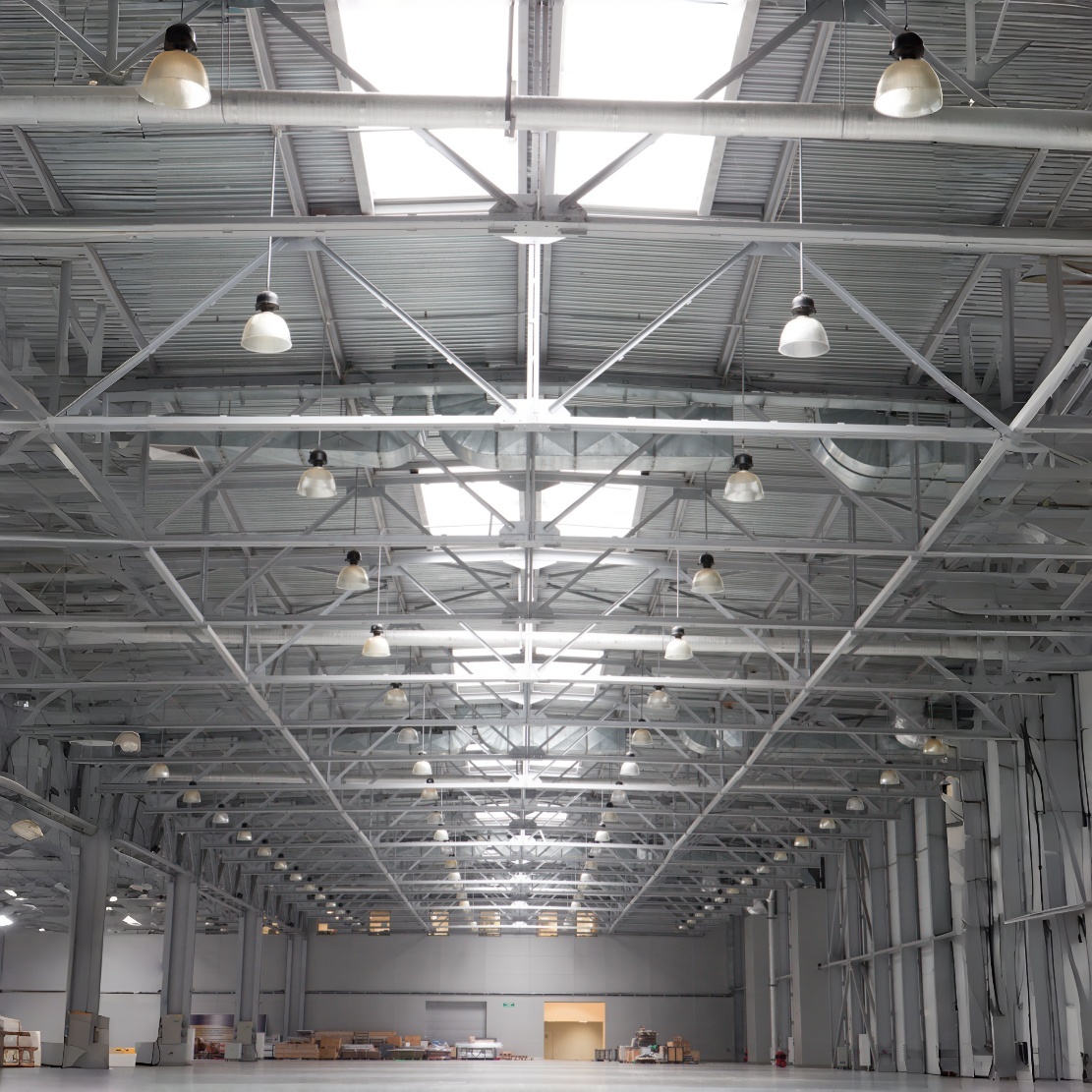
Weak fire resistance: Steel strength decreases sharply above 600℃, requiring additional fireproofing treatment, increasing construction costs by approximately 10%-15%.
Poor sound insulation: Airborne sound insulation is typically 30-35dB, lower than brick-concrete structures (40-45dB), requiring enhanced sound insulation upgrades.
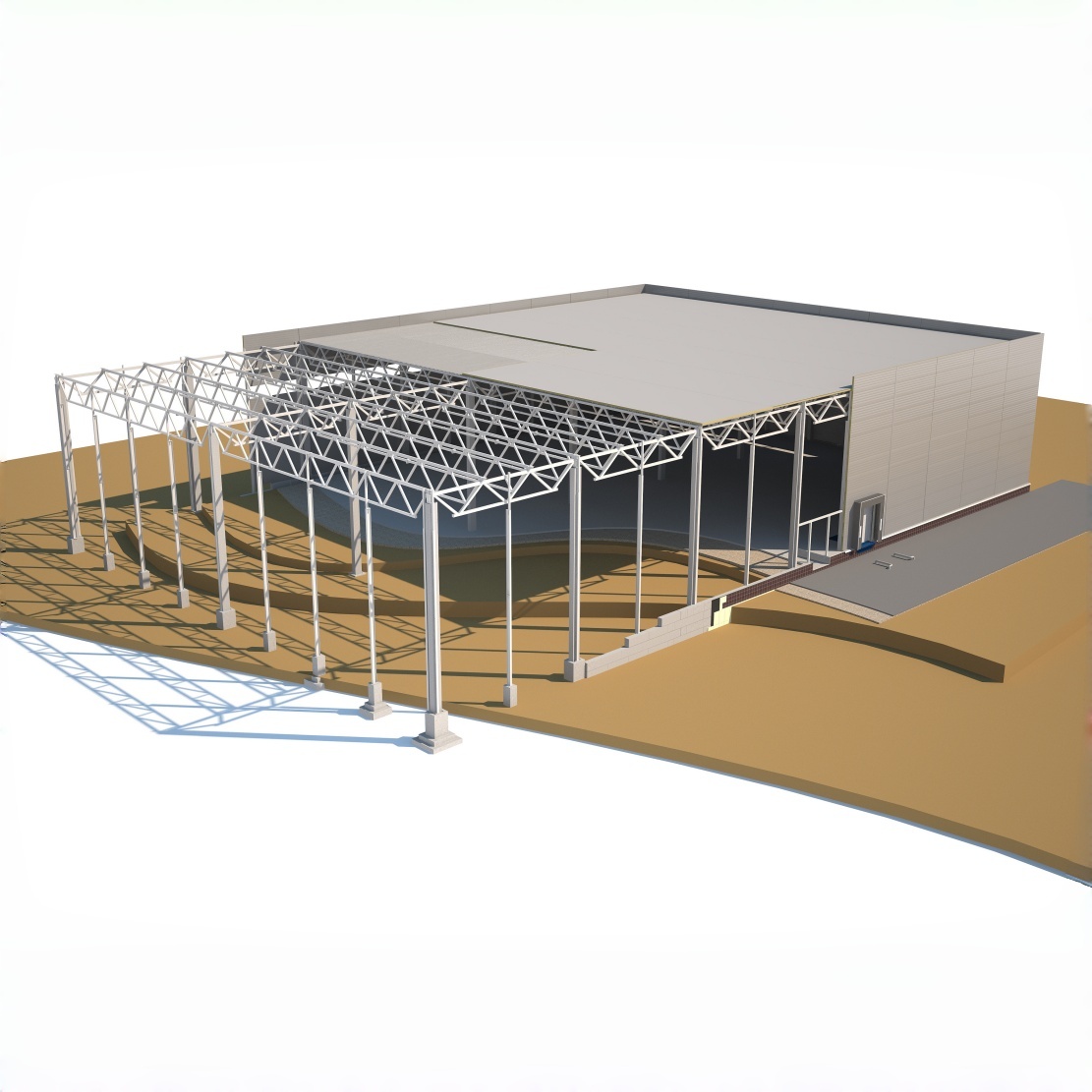
High maintenance requirements: Anti-corrosion inspections are needed every 5-8 years, and the roof needs replacement every 10-15 years; long-term maintenance costs are significant.
High requirements for the construction team: Requires a professional construction team and specialized equipment; awareness and trust in the rural market are relatively low.
