


Prefabricated portable toilets have become an essential solution for sanitation needs across the globe. From construction sites to outdoor events, disaster zones, and remote tourist areas, these mobile, self-contained units provide a practical, cost-effective, and environmentally friendly solution where permanent facilities are not feasible. For businesses involved in international trade, exporting prefabricated portable toilets represents a significant growth opportunity. However, success in this market requires careful planning, a solid understanding of regulations, knowledge of costs, and strategies tailored to different international markets.
Understanding Regulations and Compliance
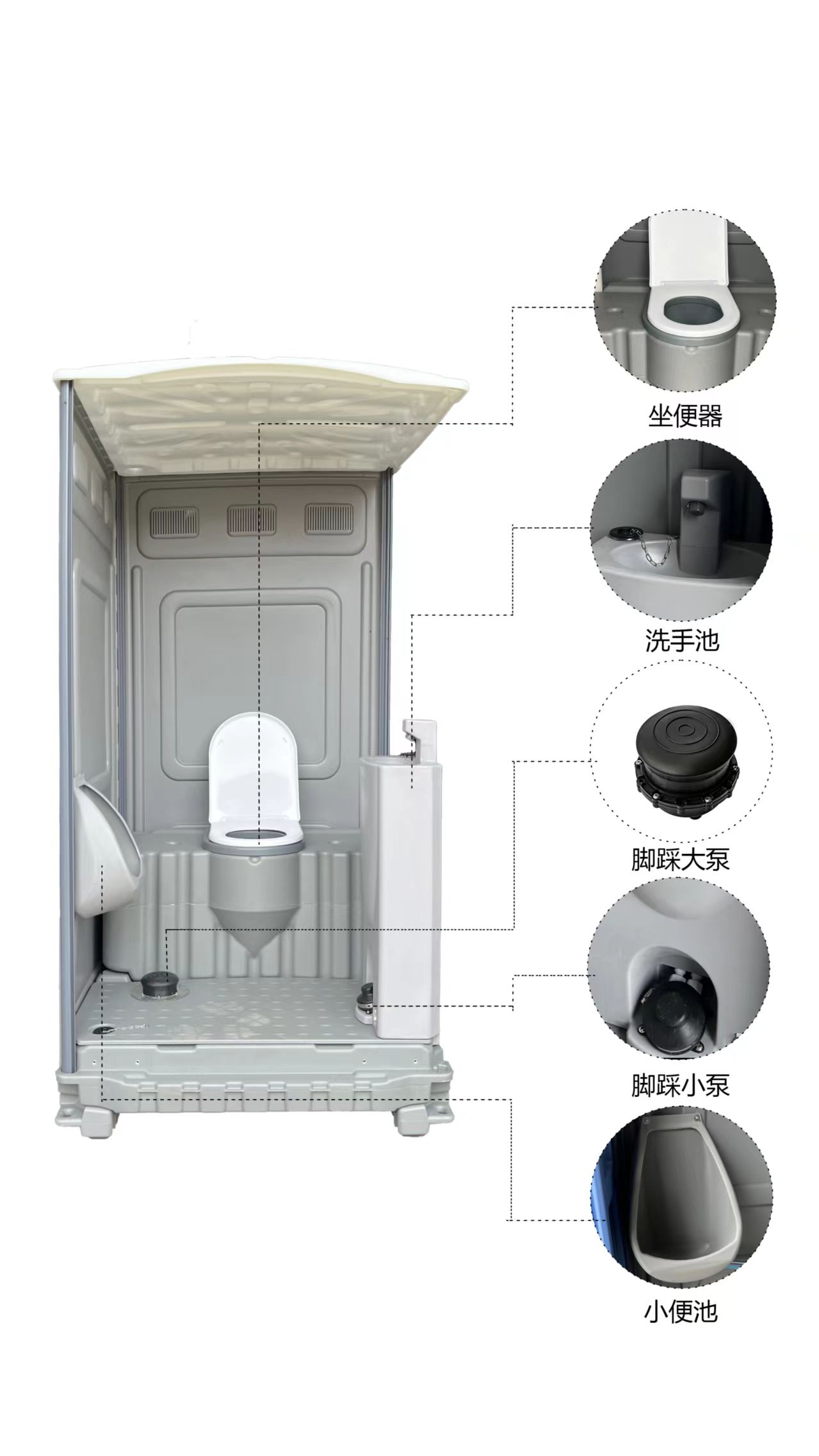
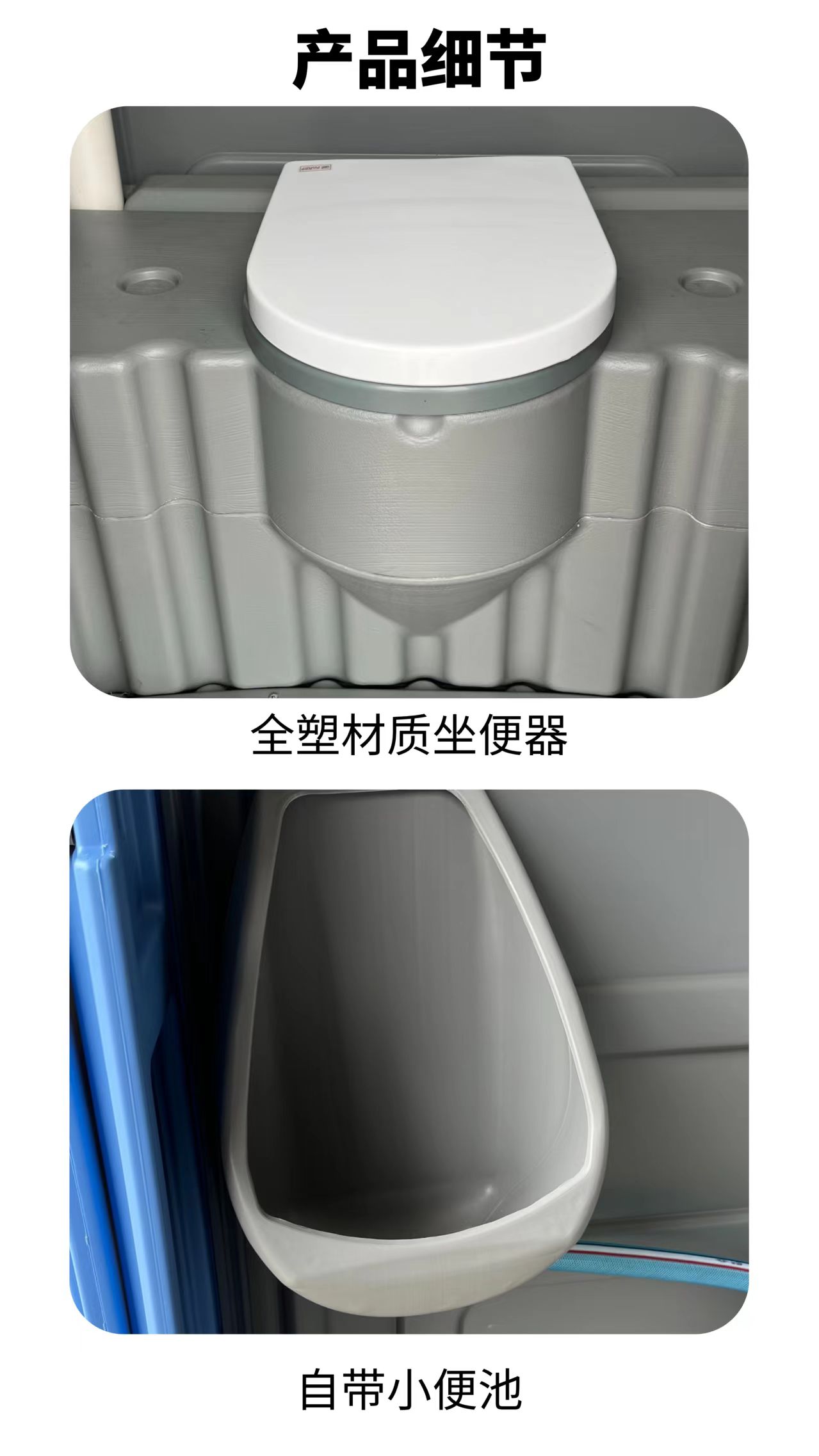
One of the most important steps for exporters is ensuring that the products meet all legal and regulatory requirements. In the UK and EU, prefabricated portable toilets must adhere to strict health, safety, and environmental standards. Materials used should be durable, non-toxic, and resistant to weather conditions, including heavy rain, strong winds, and extreme temperatures. In addition, chemical waste disposal must comply with environmental regulations.
When exporting internationally, additional certifications may be required. For example:
CE Marking ensures compliance with European safety, health, and environmental standards.
ISO 9001 confirms a consistent quality management system.
ISO 14001 demonstrates environmentally responsible manufacturing processes.
Local Certifications vary by country and may include fire safety testing, structural integrity approval, and waste treatment compliance.
Failing to meet these requirements can result in shipment delays, fines, or even refusal of entry at the destination country. Many exporters work closely with local certification bodies and freight forwarders to streamline documentation and ensure compliance.
Diverse Market Applications
Prefabricated portable toilets are used in many sectors, which makes them highly versatile products for international trade. Key applications include:
Construction Sites: Workers often need temporary sanitation facilities, especially in remote or rapidly developing areas. Portable toilets provide a convenient and hygienic solution.
Events and Festivals: Outdoor gatherings such as concerts, sporting events, and fairs require sanitation solutions that are fast to deploy, reliable, and easy to maintain.
Disaster Relief: In emergency situations, such as floods, earthquakes, or refugee camps, portable toilets are crucial for maintaining hygiene and preventing disease.
Tourism and Recreation: Parks, beaches, campgrounds, and remote tourist destinations benefit from portable toilets where permanent infrastructure is impractical.
For exporters, analyzing regional demand is critical. Developing countries with growing urbanization and large construction projects often have high demand. Meanwhile, countries with established tourism or frequent outdoor events may prefer units with advanced features, such as solar-powered lighting, handwashing stations, or enhanced ventilation.
Cost Considerations and Logistics
The cost of prefabricated portable toilets depends on the model, size, material, and level of customization. Standard single-unit toilets generally range from £500 to £1,200, while larger or premium models with multiple compartments or luxury finishes can exceed £3,000 per unit. Additional factors affecting cost include:
Manufacturing and Material Costs: High-quality plastics, steel frames, and chemical-resistant coatings increase durability but also cost.
Customization Options: Adding solar lights, water tanks, or ADA-compliant features can raise unit prices.
Shipping and Freight: Container space, international freight rates, customs clearance, and insurance must all be accounted for.
After-Sales Support: Maintenance, spare parts, and technical support are important for maintaining customer satisfaction, especially for overseas clients.
Exporters often use bulk orders to reduce per-unit costs and optimize shipping. Flat-pack designs can maximize container space, and careful planning with freight forwarders helps avoid delays and extra fees.
Advantages of Prefabricated Portable Toilets
Prefabricated portable toilets provide several clear benefits, making them appealing to a wide range of clients:
Mobility and Flexibility: Units can be moved or relocated depending on changing needs.
Quick Deployment: Portable toilets can be set up in hours, which is especially useful for emergency situations or large events.
Cost Savings: They are cheaper than constructing permanent facilities and require less maintenance over time.
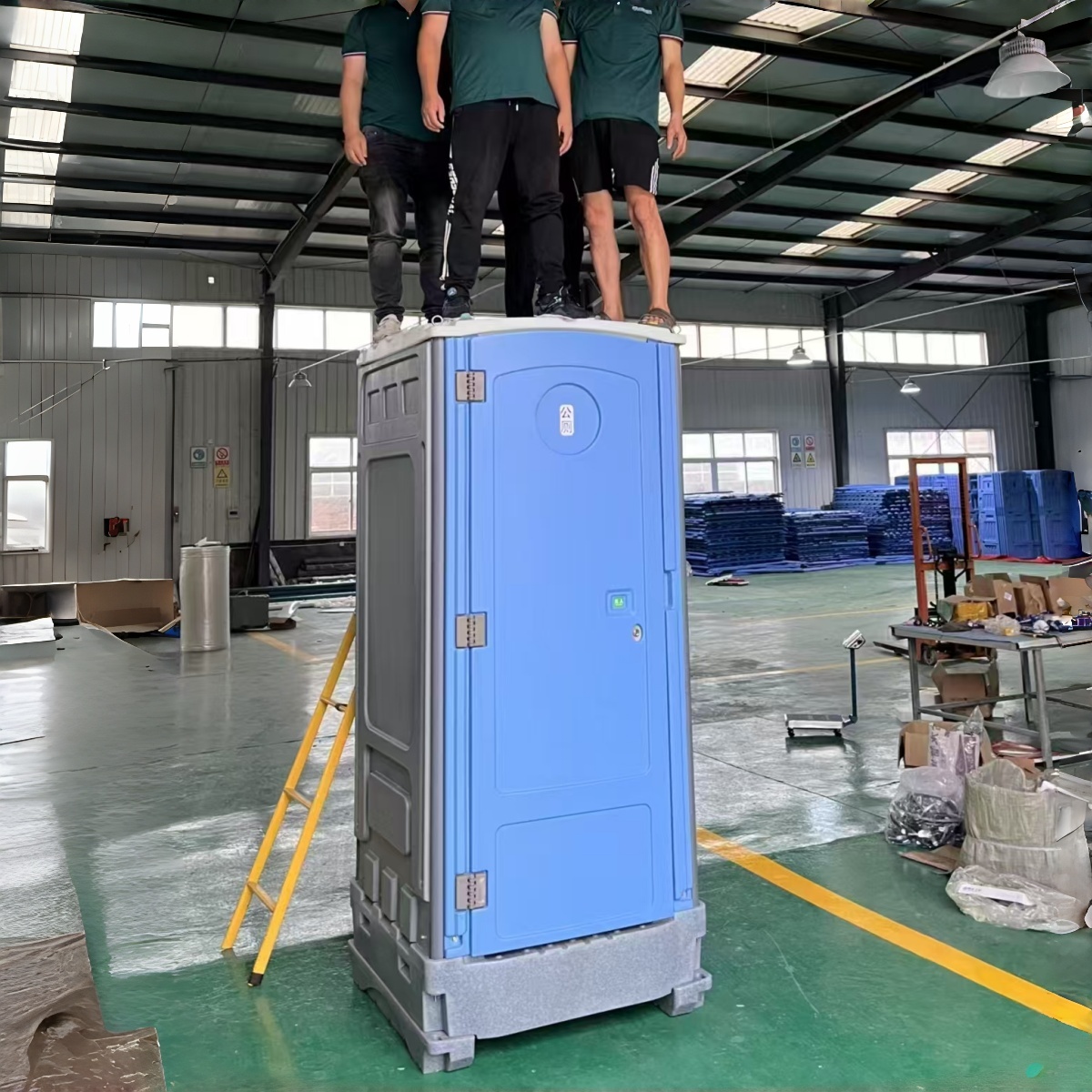
Durability: Designed to withstand harsh weather and heavy usage, ensuring long-term reliability.
Customizable: Units can be tailored to client requirements, including multi-compartment layouts, accessible designs, or luxury features.
Environmentally Friendly: Many models use recyclable materials, energy-efficient systems, and chemical-free treatment options.
Practical Tips for Exporters
Know Your Target Market: Study regional demand, local regulations, and client preferences. Countries with frequent outdoor events, disaster-prone areas, or rapid construction growth often have higher demand.
Provide Detailed Product Information: Technical specifications, maintenance guides, and usage instructions help buyers make informed decisions.
Offer Flexible Customization: Tailoring products to client needs—such as adding solar panels, ventilation, or handwashing units—can increase sales.
Work with Reliable Logistics Partners: Experienced freight forwarders ensure smooth shipment, timely delivery, and proper handling.
Maintain After-Sales Support: Spare parts, maintenance guidance, and warranty services are essential for repeat business and long-term client relationships.
Case Examples
In Southeast Asia, portable toilets have been deployed extensively at large construction projects where local sanitation infrastructure was insufficient. Buyers appreciated units with anti-slip flooring and chemical-resistant coatings due to high humidity and heavy rainfall.
In Europe, outdoor music festivals increasingly order units with solar lighting and handwashing stations to improve attendee hygiene and satisfaction.
During disaster relief operations in Africa, mobile toilets equipped with waste containment systems and portable water tanks provided critical sanitation support in refugee camps.
Conclusion
Exporting prefabricated portable toilets is a promising business opportunity with strong international demand. Success relies on understanding regulatory requirements, providing high-quality and customizable products, and delivering excellent logistical and after-sales support. By carefully analyzing markets, offering versatile solutions, and maintaining clear communication with clients, exporters can not only meet sanitation needs worldwide but also build a profitable, long-term business in this growing sector.
