

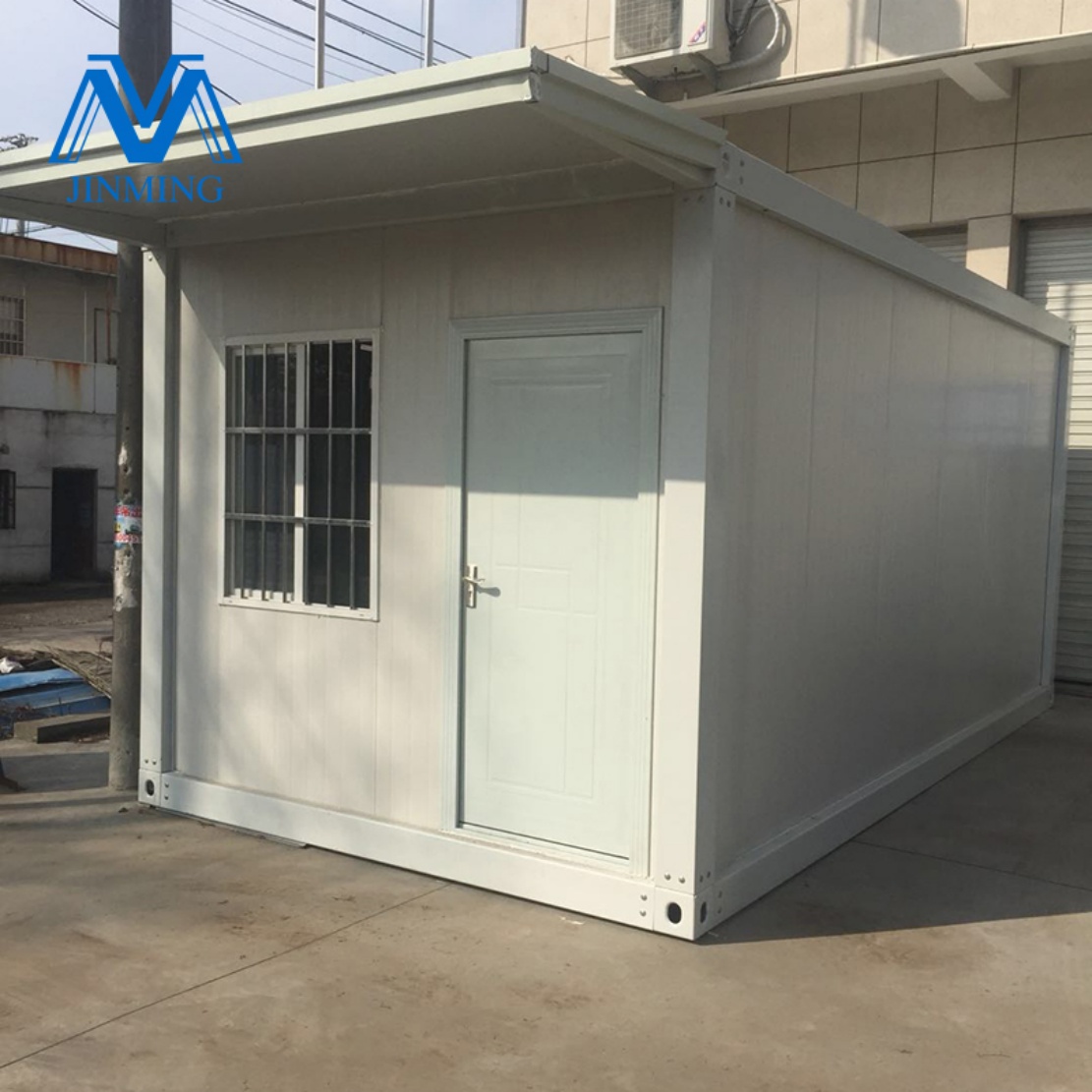
1. Are Container Homes Legal in the UK?
In the UK, container homes are generally permitted, but their legality depends on various factors, including location, design, and intended use. Like any form of construction, container homes must comply with local planning laws and building regulations. The classification of a container home, whether temporary or permanent, influences how it is regulated.
For homeowners seeking to place a container home on their property, ensuring that the structure adheres to local zoning laws and building codes is essential. In residential areas, container homes are usually approved for habitation if they meet safety standards and don’t negatively impact the neighborhood’s visual cohesion or functionality. In urban locations, stricter regulations on container size, external appearance, and placement are typically enforced to preserve the area’s aesthetic integrity.
On the other hand, rural locations are often more flexible in their approach to container homes, making them an affordable solution for larger plots of land. However, even in rural areas, it’s important to consult local authorities to confirm that the proposed container home aligns with planning regulations.
2. Do I Need Planning Permission for a Container Home?
Determining whether you need planning permission for a container home in the UK is not a straightforward process. While some temporary container structures may be exempt from full planning permission, it’s advisable to seek official approval before beginning construction to avoid potential legal issues.
In most cases, planning permission is required if the container home is intended to be used as a permanent residence. This requirement applies not only to the core structure of the container but also to any alterations, including adding windows, insulation, plumbing, and electrical systems. Generally, placing a container home permanently on a fixed site necessitates planning consent.
Temporary uses, such as a container used as a guest house or office space, may be exempt from planning permission in some areas if the structure is only on the land for a limited time—typically no more than 28 days. However, even for temporary container homes, some areas may require a Certificate of Lawful Use to ensure the structure is legally compliant.
When applying for planning permission, local authorities will assess various factors, such as the size, design, and intended purpose of the container, along with any potential impact on neighboring properties and the surrounding environment. Seeking the advice of a planning consultant or an industry professional can streamline the process and help ensure your plans meet local regulatory requirements.
3. What Are the Costs of a Container Home in the UK?
The cost of building a container home in the UK can vary significantly depending on factors like container size, customization, location, and whether the container is part of a larger development. A basic shipping container, without modifications, typically costs between £1,500 and £3,000. However, most buyers opt for additional work to transform the container into a livable space, which can include insulation, windows, plumbing, and electrical wiring.
A fully converted container home, complete with these modifications and furnished interiors, typically costs between £10,000 and £40,000. For high-end, bespoke designs, the price can exceed £100,000, depending on the scale of the project and materials used.
Apart from the cost of the container itself, you’ll need to account for additional expenses such as insulation materials, structural reinforcements, utility installations (such as plumbing and electrical systems), and the cost of labor for tasks like welding and custom fittings. While the initial cost of a container home can be lower than traditional brick-and-mortar houses, these homes offer long-term cost savings due to their durability and lower maintenance requirements.
For those with tighter budgets, smaller 10-foot containers provide an affordable entry point, with conversion costs ranging from £5,000 to £10,000, depending on the level of customization.
