

1. Are Container Homes Allowed in the UK?
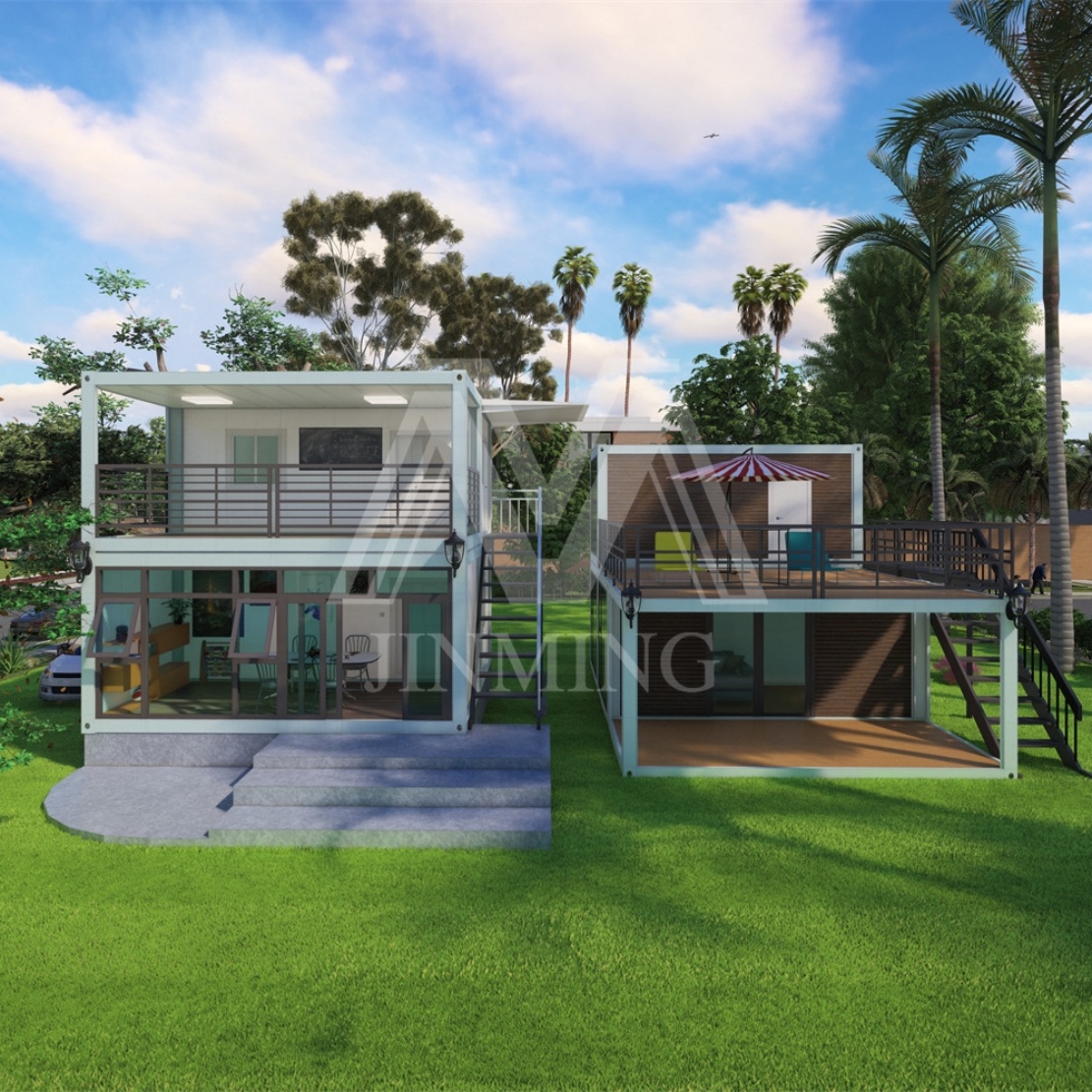
Yes, container homes are allowed in the UK, but their use is subject to local planning regulations. Shipping containers, when converted into homes or other structures, are classified as temporary or permanent buildings, depending on how they are installed. They are permitted under certain conditions, but the main factor that influences their approval is the location and intended purpose.
If you're planning to place a container home on your property, you'll need to ensure that it complies with local building codes and zoning regulations. In most cases, residential use of a container home is allowed, provided it meets the safety standards and doesn’t interfere with the aesthetic or functional needs of the surrounding area. For instance, in urban or high-density residential areas, some local councils may have strict guidelines about the size, appearance, and placement of container homes to maintain the visual harmony of the neighborhood.
Rural areas, on the other hand, might be more lenient, and container homes can offer a cost-effective solution for those seeking to build on a large plot of land. However, even in these locations, it’s important to consult with local authorities to ensure compliance.
2. Do I Need Planning Permission for a Container Home?
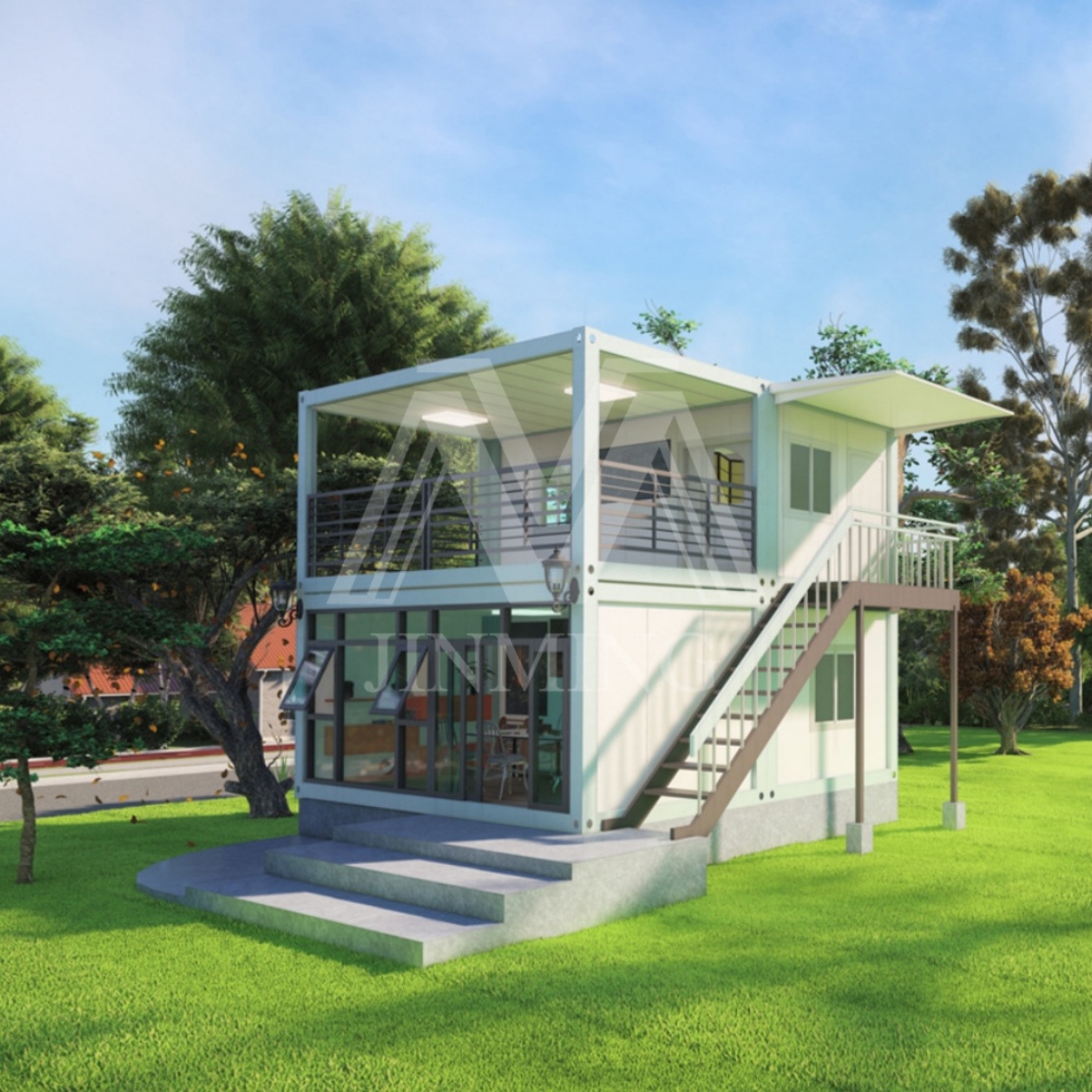
The question of whether you need planning permission for a container home in the UK is a complex one. While some container homes may not require formal planning permission under certain conditions, it is usually advisable to seek approval before proceeding with any construction.
Typically, planning permission is required if the container home is intended to be used as a permanent dwelling. This includes both the use of containers for residential purposes and any modifications made to the structure (such as windows, doors, insulation, and utilities). The general rule is that if the container home will be placed on land permanently, with no intention of moving it, planning permission is likely to be required.
However, in some cases, a container home used as a temporary structure (for example, as a guest house or office) may be exempt from planning permission, provided it is not on the land for more than a specific period, usually up to 28 days in some regions. For temporary uses, a “certificate of lawful use” might be required, depending on your specific location.
When applying for planning permission, local councils will assess factors like the size, design, and function of the container home, as well as the impact on neighboring properties and the surrounding environment. To avoid delays or complications, it's a good idea to get professional advice or engage with a local planning consultant to ensure that your plans are compliant with regulations.
3. How Much Is a Container Home in the UK?
The cost of a container home in the UK varies widely depending on several factors, including the size of the container, the level of customization, location, and whether the container is being used as a standalone structure or as part of a larger housing development.
Generally, a basic, unmodified shipping container can be purchased for between £1,500 to £3,000. However, most people opt for modifications such as insulation, windows, doors, plumbing, and electrical work, which can significantly increase the cost. The price of a fully converted and furnished container home typically ranges from £10,000 to £40,000 for a basic model. For more luxurious or custom-designed homes, prices can go up to £100,000 or more.
The costs involved in converting and outfitting a container home include not only the container itself but also the necessary materials for insulation, structural support, finishes, and utilities. The cost of labor is another key factor to consider, as skilled tradespeople will be required to handle specialized tasks such as welding, electrical installations, and plumbing.
In terms of ongoing costs, a container home’s maintenance is typically lower than that of traditional brick-and-mortar homes. They are highly durable, weather-resistant, and less susceptible to issues like mold and damp, which makes them a cost-effective choice for long-term living.
For those seeking a more budget-friendly option, smaller shipping containers (such as 10-foot containers) can also be used to create compact living spaces, with prices starting at around £5,000 to £10,000, depending on the level of customization.

Benefits of Container Homes
Apart from being a cost-effective solution for housing, container homes offer several other benefits:
1. Sustainability: Shipping containers are made from steel, a highly durable and recyclable material. Repurposing them into homes reduces waste and contributes to environmental sustainability.
2. Mobility: Container homes are portable, making them ideal for people who may want to relocate their living space or use it in different locations.
3. Speed of Construction: Since shipping containers are already built, the process of converting them into homes is often faster than traditional homebuilding. This is particularly advantageous for those looking for a quick housing solution.
Conclusion
Container homes in the UK are an innovative and flexible housing option, but they come with considerations regarding planning permission, regulations, and costs. They are allowed under specific circumstances, and while planning permission is often required for permanent residential use, temporary structures may have more leeway. The cost of a container home can vary widely depending on size and customization, but it offers a unique and affordable alternative to traditional housing.
If you're considering a container home for your property in the UK, it’s crucial to consult with local authorities and professionals to ensure compliance with building codes and to understand the costs involved. With careful planning, a container home can offer a sustainable, affordable, and stylish solution to modern housing needs.
