

By 2025, the infrastructure boom is sweeping in with even greater force. Lists of key projects released by 24 provinces nationwide feature over 19,000 projects scattered like stars: Piers are being poured for the cross-sea channel in the Guangdong-Hong Kong-Macao Greater Bay Area; photovoltaic power plants are being deployed across the Gobi Desert in the northwest; tunnel boring machines are digging around the clock for new subway lines in eastern cities; and water conservancy hubs in central and western China are filling reservoirs. A total investment of 57.5 trillion yuan not only underpins the national development backbone but also brings millions of construction workers a vibrant and exciting project landscape. This time, however, workers aren't just talking about having work to do; they're also talking about how they'll live.At the cross-sea bridge construction site, 38-year-old carpenter Wang Jianguo moved into his new "home"—an off-white foldable container house. He opened the door to the humming of the air conditioner. A photo of his daughter hung on the wall, and a phone was charging in the outlet next to his bed. "I used to live in a steel
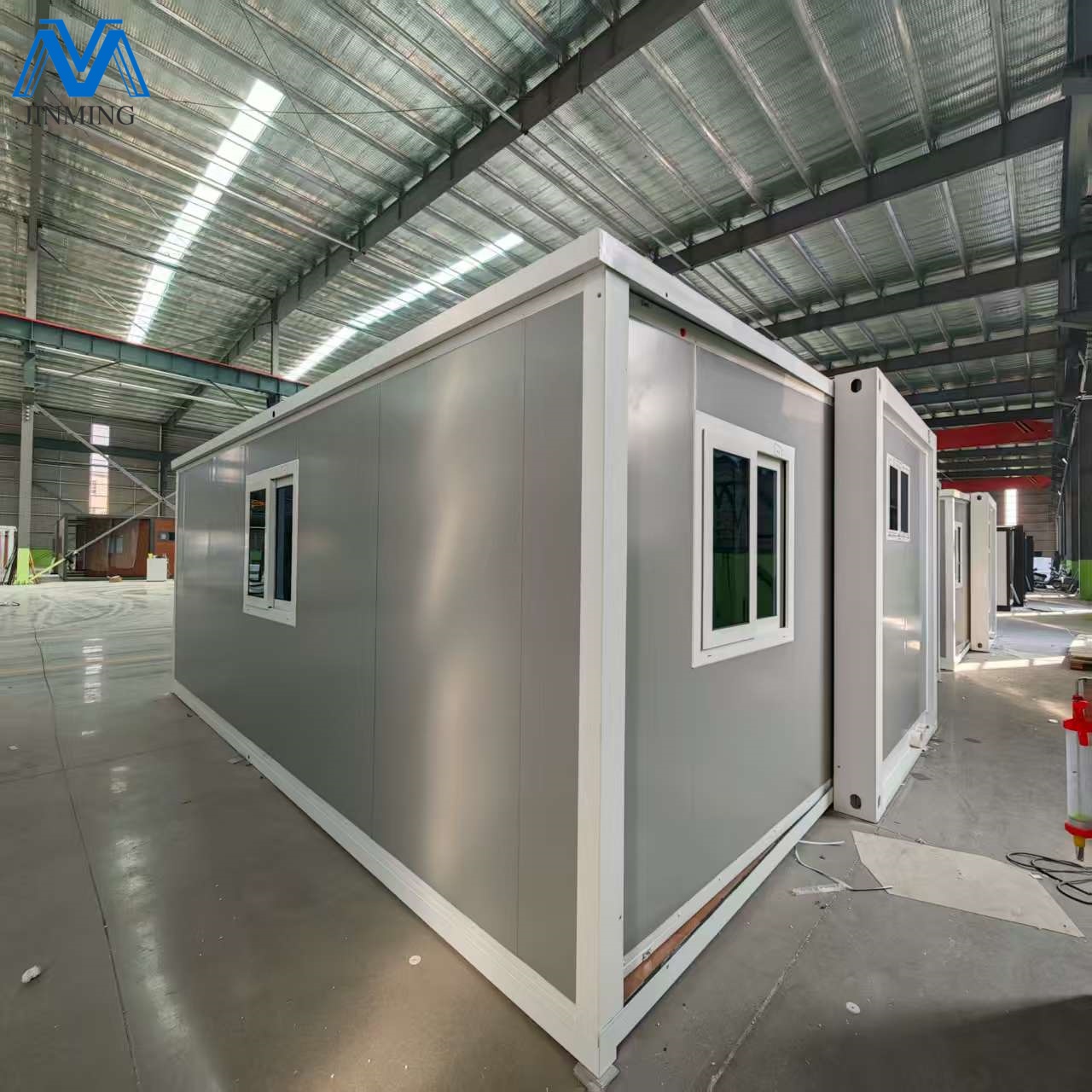
Prefabricated House, and I was afraid to sleep all night during typhoons, fearing the roof would be blown away. Now, with a 17-force wind resistance report, I can sleep peacefully at night." These are the folding container houses that are becoming a standard feature of the new wave of infrastructure construction.This seemingly ordinary housing unit precisely addresses the needs of construction workers. Its high-strength steel frame is engineered to withstand a force 17 typhoon, eliminating the need for premature dismantling and relocation in typhoon-prone areas along the southeastern coast. Its modular design makes it exceptionally easy to transport. A 17.5-meter flatbed truck can accommodate 23 folding units.
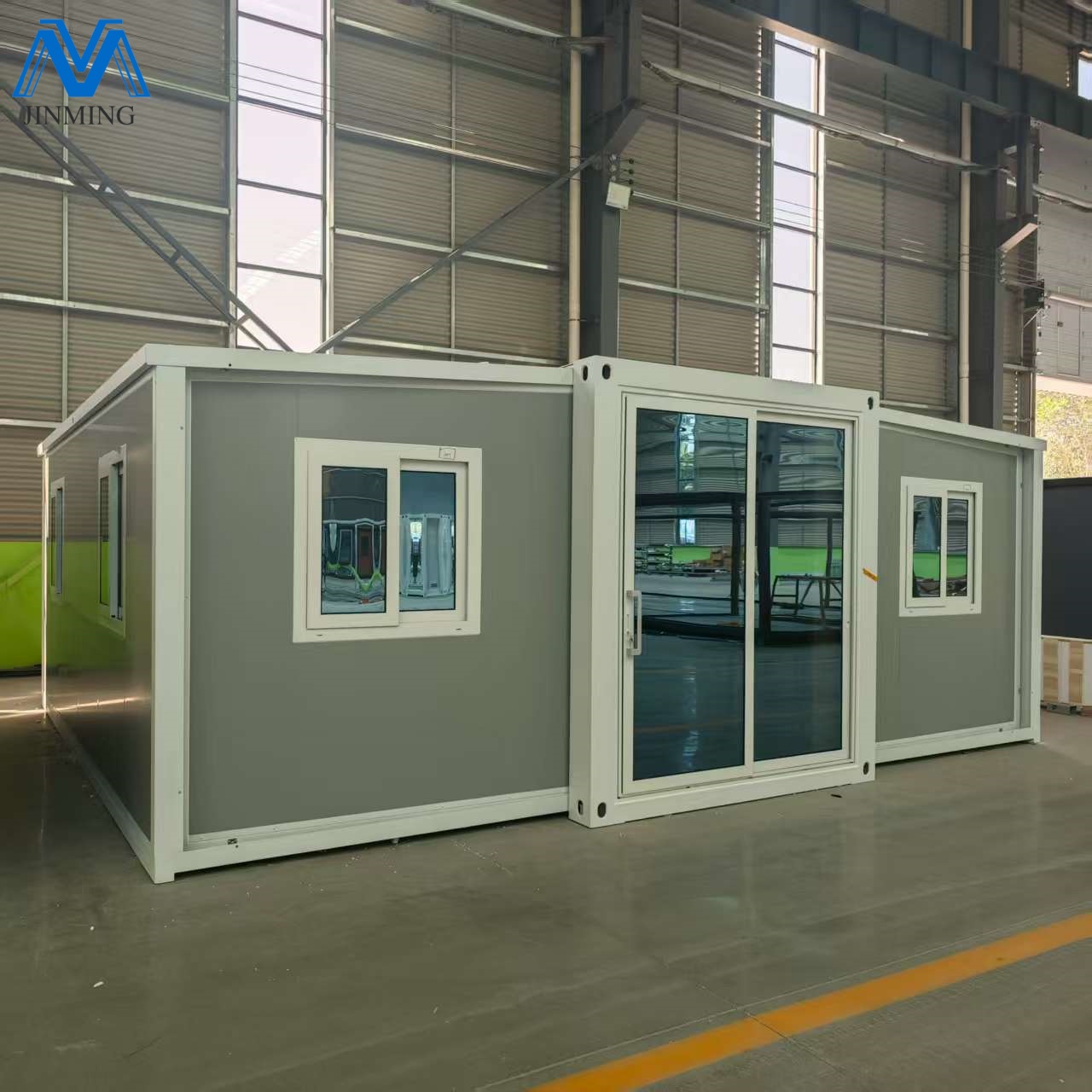
Once delivered to the construction site, a crane and two workers can erect a unit in 10 minutes, matching the project's rapid start-up pace. Even more thoughtful are the interior features: fireproof insulation protects against winter chill on northern construction sites, while added water heaters and storage cabinets bring the warmth of home to these "temporary residences."Even more remarkable is that these houses are removable. When a project concludes, workers simply pack up their furniture, and the container houses can be disassembled and folded, transported to the new construction site by the construction team. At a wind power project site in Inner Mongolia, a project manager did the math: "Previously, temporary dormitories were completely destroyed when they were demolished. Now, with foldable container houses, we can reuse them three times, cutting costs in half, and it's also environmentally friendly." From the "simple sheds" of 2008 to the "foldable container homes" of 2025, the transformation isn't just about accommodation; it's also about the impact on people's lives amidst the infrastructure boom. If the 57.5 trillion yuan investment went into building roads, bridges, and power stations, then these humble container houses are providing a "warm home" for road, bridge, and power station builders. They may not be as grand as a cross-sea bridge or as dazzling as a photovoltaic power station, but they truly support the daily lives of construction workers—meeting their expectations for safety, their desire for comfort, and their simple aspiration to "participate in national development and share in its fruits."
