

Although the corners of a shipping container are reinforced, the existing roof may lack structural integrity. Those looking for a container home that can withstand loads such as weather elements should carefully consider whether it's suitable to build an additional roof.
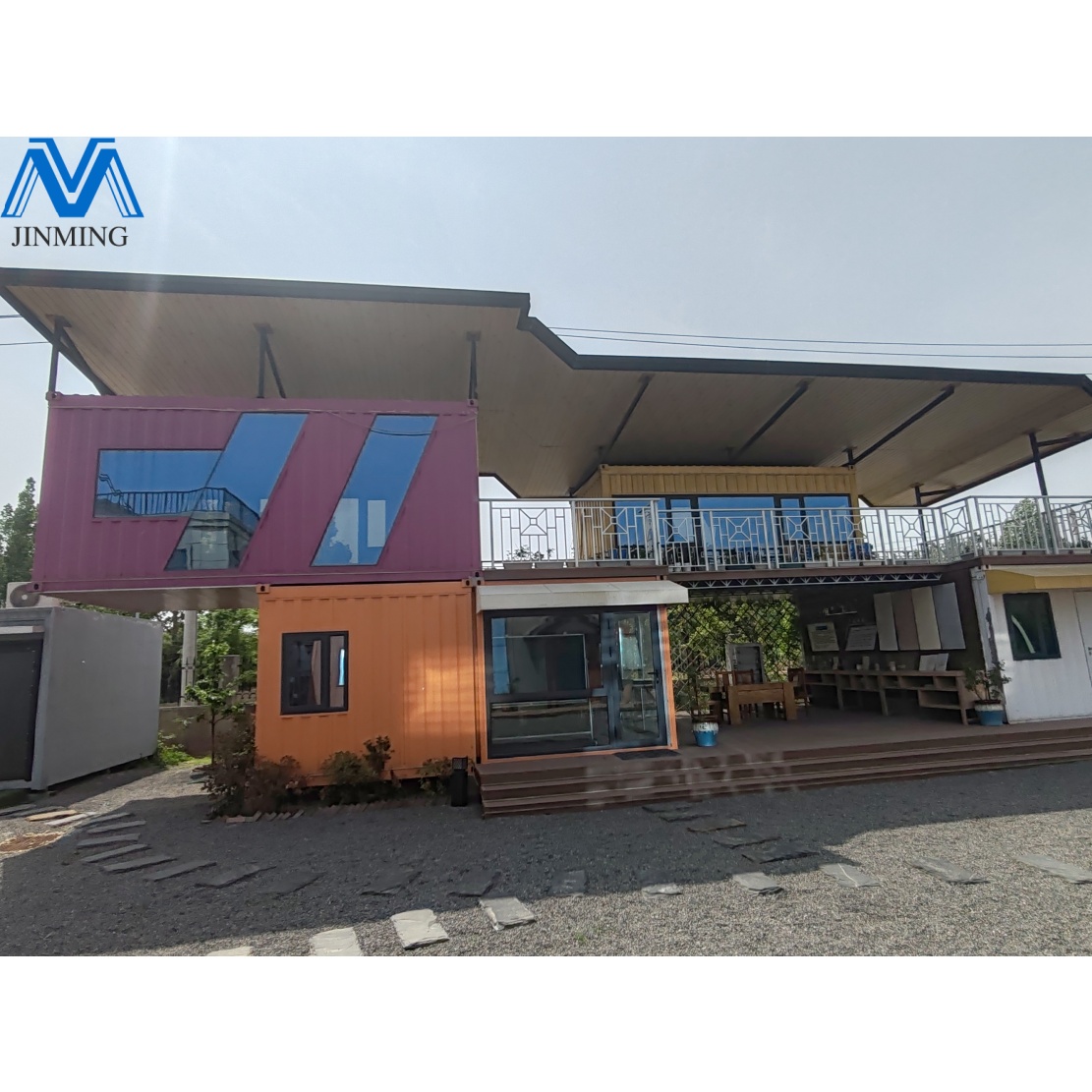
Below are several types of container buildings with unique roof designs:
Homes and Cabins: Often use sloped or gable roofs to aid drainage, improve insulation, and enhance overall aesthetics.
Mobile Offices: May adopt minimalist flat roofs, often paired with skylights to introduce natural light.
Commercial Shops (such as cafés, pop-up stores, kiosks, and event venues): Commonly use extended lean-to roofs to provide shade for outdoor seating areas.
Whether you're converting a container into a home, garage, office, commercial space, or workshop, choosing the right roof design is crucial. A roof contributes to the aesthetics and architectural style of the building. Beyond appearance, enhancing your prefab container house roof has many practical benefits. Poor roof insulation can cause significant heat loss during cold months; installing a new roof helps maintain a comfortable thermal environment.
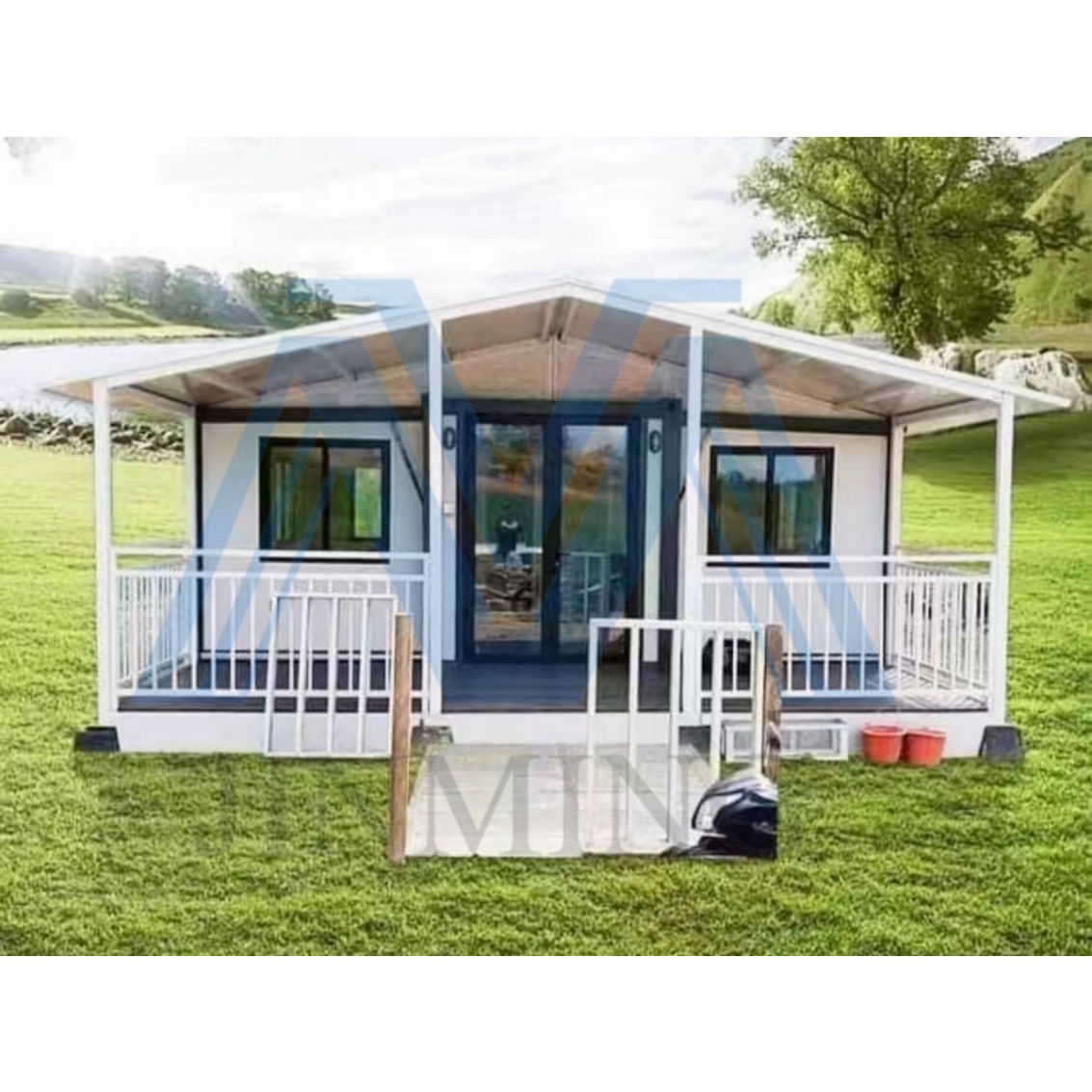
While there are many roof styles suitable for container homes, the most common are flat roofs, sloped roofs, and rooftop terraces:
Flat Roofs are the simplest, fastest, and cheapest to construct, though they may have higher maintenance costs. A slight pitch must be created for drainage. Common materials include metal sheets, corrugated steel, polycarbonate, or fiberglass panels.
Sloped Roofs are downward-angled and are among the most common roof types in rainy or snowy areas. Popular examples include gable, butterfly, and lean-to roofs. The slope improves drainage and reduces the risk of leaks and water pooling. These roofs are typically made of corrugated metal, galvanized steel, or aluminum. Lean-to roofs are ideal for extending one side of the container for storage or shade. They are often built with corrugated metal, steel, or aluminum, and may include polycarbonate inserts for natural lighting. This design is also well-suited for mounting basic solar panel systems and collecting rainwater, making it ideal for off-grid living.
Rooftop Terraces are creative flat spaces built on top of the container to expand livable or usable areas. Many are used as small outdoor gardens, dining spaces, or relaxation zones.
The cost of a prefab houses roof varies depending on the design, size, and materials used. Prefabricated roof structures are a time- and labor-saving option and are easier to install compared to fully DIY builds. While building your own roof can be more economical, it requires more time, skills, and planning—especially if you aim to construct a weatherproof and long-lasting structure.
Container roof designs offer flexibility, protection, and visual appeal for a variety of purposes. Whether you choose a prefabricated kit or a custom-built solution, a well-designed roof can significantly enhance your container’s functionality and lifespan. When selecting a roof, consider your climate, budget, and long-term usage goals. A good roof is not just a covering—it’s a smart and durable investment.
